A room, a microphone and six poets who have agreed to read. That is roughly all a poetry reading needs — and it is also where most organisers get stuck. Not the poetry, but the chairs, the posters, the sound check and the small question of who reads first.
What follows is a practical plan for a one-off reading or the first of a regular series, in a library, an independent bookshop or a community hall.
Choose the format before you book anything, because it determines the room, the length and how much work falls on you.
If you are unsure, start with a featured reader plus open mic. It is the most forgiving format and the easiest to repeat.
Libraries, bookshops and halls all involve trade-offs. A bookshop brings warmth and an audience already interested in books, but seating is often cramped. A library gives you space and chairs, though you are working within opening hours. A community hall gives you freedom over timings and refreshments, but you will have to create the atmosphere yourself.
Ask the same questions of every venue:
Visit at the same time of day and on the same day of the week as your event, if you can. A room that feels intimate at 7pm on a Tuesday may be echoing and empty at 2pm on a Saturday. Sit in the back row, stand at the reading spot, and imagine the worst-case layout: a pillar in the sightline, a door that bangs, a fridge humming behind the bar. Small fixes — moving a chair, unplugging a cooler, hanging a curtain — are easier before the audience arrives.
A reading succeeds or fails on its sequence. Even a strong poet can struggle if they follow three similar voices in a row. Think of the evening as a set list: open with someone warm and brief, place the featured reader where energy is highest, and give the final slot to someone who can land the room.
When you invite readers, be specific about what you are asking for:
Confirm every reader in writing a week before, then again two days before. People get sick, trains are cancelled, and a quick text can save you from an empty microphone. If someone drops out, have a standby list — two or three local poets who are happy to be called at short notice. You can also fill a gap with a short interval activity: a book raffle, a prompt for the audience, or a reading from a local anthology.
Start promoting at least three weeks out. A simple, consistent message works better than a flurry of clever graphics. Decide the one line you want people to remember: “Six poets on the theme of rivers, Friday 7pm, upstairs at the Old Library.” Then repeat it everywhere.
Give your readers a ready-made message they can forward: a paragraph, a link, and an image sized for social media. People are more likely to share if you make it effortless. On the day, post a simple reminder with the venue name, start time, and whether there are tickets at the door.
A good host is invisible until they are needed. They set the tone, keep the clock, and make every reader feel welcome. Write a running order and stick to it, but build in ten minutes of slack.
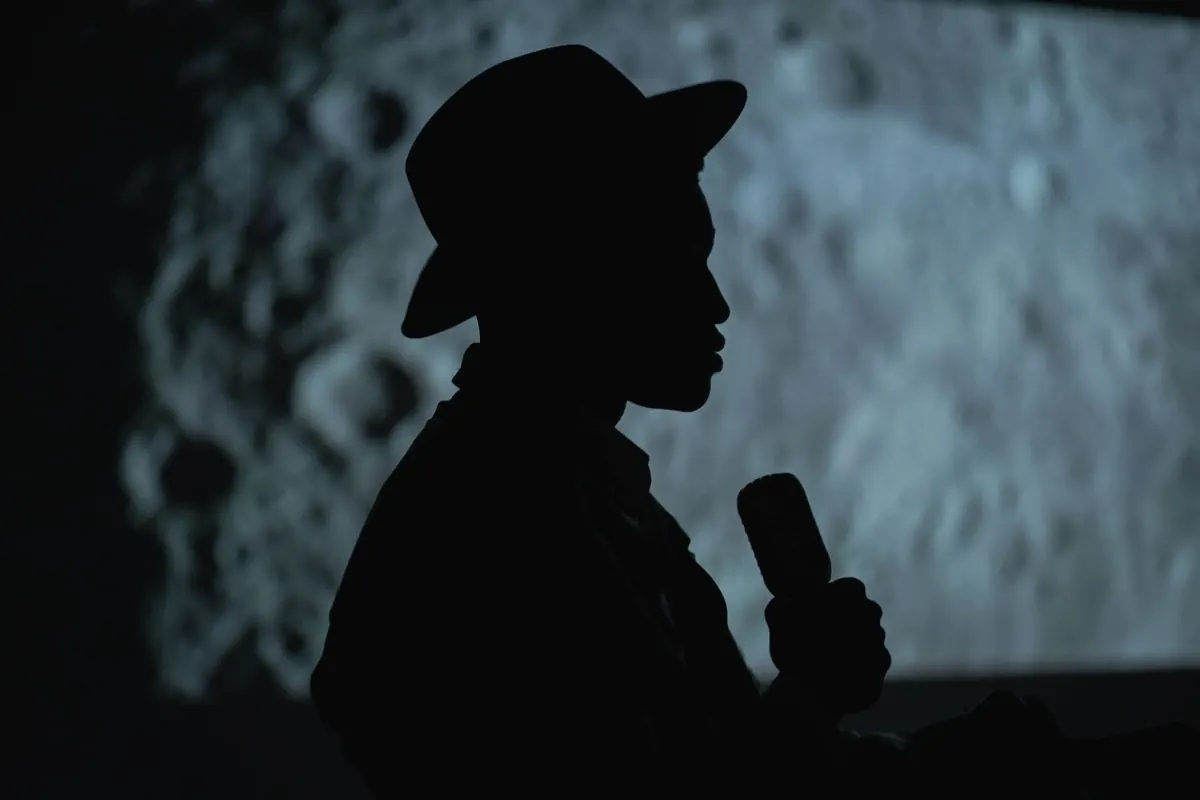
Microphone technique is worth two minutes of explanation. Ask readers to hold the mic a hand’s width from their mouth, speak across it rather than into it, and pause if the room is noisy. If the PA fails, have a backup: a small amp, or simply a host who can project and a room arranged in a semicircle. Poetry has survived for centuries without electricity.
Even small readings should think about payment. A featured reader who has travelled across town has given you their evening and their work. If you have no budget, be transparent from the start: “We cannot pay a fee, but we can cover travel and sell your books.” If you can offer something, do.
Respect the work in other ways, too. Do not record or photograph readers without permission. Do not invite someone to read and then treat them as filler. If you are building a series, rotate the featured slot so that different voices get the centre.
The night ends, but the work does not. Send a thank-you message within forty-eight hours. Include a photo of the crowd if you have one and permission to share it. Ask readers and audience members for one thing that worked and one thing to change.
A local poetry reading does not need to be polished. It needs a room, a microphone, and someone willing to hold the shape of the evening. Get the format right, look after your readers, and keep the door open to the audience. The rest is just poems, one voice at a time.
Photo: cottonbro studio / Pexels